
FemiPro Side Effects, Safety and Drug Interactions
FemiPro has no published side-effect data of its own. Its main concern is bearberry, which European regulators advise for one week at most. Berberine can slow how drugs are cleared, and cranberry has mixed data with warfarin. Skip it in pregnancy, breastfeeding or kidney disease, and ask your doctor first if you take any medicine.
Is FemiPro safe? The short answer
FemiPro is likely fine for many healthy adult women, but it has real limits. It has not been tested as a product, so its safety rests on what is known about each ingredient.
Three ingredients carry the main concerns. Bearberry has a short-use limit, berberine can change how drugs are cleared, and cranberry has mixed data with warfarin.
| Ingredient | Main concern | Who should avoid it or ask first | Source |
|---|---|---|---|
| Bearberry leaf | Advised for one week at most; arbutin breaks down to hydroquinone | Pregnant or breastfeeding women, under-18s, kidney problems, anyone planning long daily use | (EMA, 2018) (EMA, 2018) |
| Berberine HCl 8% | Slows liver enzymes that clear many drugs | Anyone on prescription medicine; pregnancy and breastfeeding | (Guo et al., 2012) (NCCIH, 2025) |
| Cranberry extract | Mixed data with warfarin | People on warfarin or other blood thinners | (NCCIH, 2024) |
| Probiotic blend (5 strains) | Live bacteria | People with a weakened immune system | (NIH ODS, 2025) |
| Mimosa pudica seed | No human trials, so no human safety data | Anyone who wants tested ingredients only | (Adurosakin et al., 2023) |
| Gelatin capsule | Animal-based shell | Vegetarians and vegans | Label |
Why bearberry is the biggest FemiPro safety concern

Bearberry is the main safety question in FemiPro because regulators limit it to short courses. The European Medicines Agency lists it for mild bladder symptoms in adult women, for one week at most (EMA, 2018).
The reason is arbutin, the leaf's active compound. The body breaks arbutin down to hydroquinone, which is a safety concern with long-term use (EMA, 2018).
FemiPro is a daily product with no end date on the label. The bearberry amount inside the 350 mg blend is not printed, so the arbutin dose is also unknown.
Who should skip bearberry
- Pregnant women
- Breastfeeding women
- Anyone under 18
- People with kidney problems
If you want to take FemiPro for more than a week or two, ask your doctor first. Bring the label so they can see the bearberry line.
FemiPro and medicines: the berberine interaction
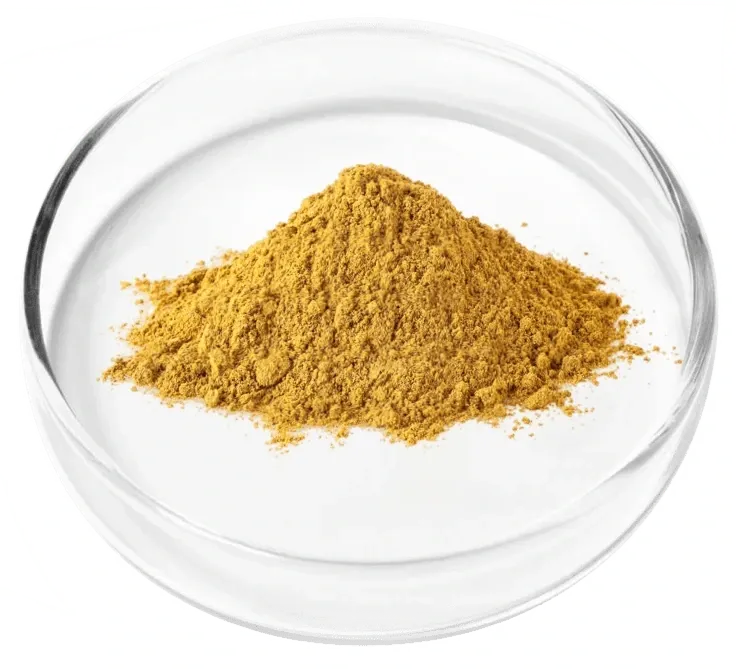
Berberine can change how your body clears other medicines. In a human study, 300 mg three times a day for two weeks slowed several liver enzymes that break down common drugs (Guo et al., 2012).
When those enzymes slow down, some drugs can build up in the blood. That can raise the chance of side effects from the drug, not from the supplement.
FemiPro likely holds less berberine than that study, since the whole herbal blend is 350 mg. The exact amount is not printed, though, so the risk cannot be ruled out.
Berberine in pregnancy
Herbs that contain berberine are not for pregnancy, breastfeeding or infants (NCCIH, 2025). That matches the bearberry advice, so FemiPro is a clear no during those times.
Can you take FemiPro with warfarin?
Ask your doctor first. Cranberry, one of the FemiPro herbs, has mixed data with warfarin, a common blood thinner (NCCIH, 2024).
Mixed means the studies do not agree. When the data are unclear, the safe move is to check before you start.
- Tell the doctor who manages your warfarin before you add any cranberry product.
- Mention any cranberry juice or other cranberry pills you already use.
- Keep your regular blood tests on schedule.
More on cranberry and its PAC dose is in the article on cranberry PACs.
Are the FemiPro probiotics safe for everyone?
Not for everyone. The FemiPro probiotic blend holds five live Lactobacillus strains, and live bacteria are a concern for people with a weakened immune system (NIH ODS, 2025).
That group includes people on treatments that weaken the immune system and people who are seriously ill. For them, a doctor should decide.
For most healthy people, probiotic strains like these are widely used. The label does not print a CFU count, so you cannot compare the dose with other products. The guide to reading a probiotic label shows what a full label should list.
Who should not take FemiPro?
Several groups should skip FemiPro or get a doctor's approval first. The label itself tells pregnant or nursing mothers, anyone under 18 and anyone with a known medical condition to consult a physician.
The research on the ingredients adds a few more groups to that list.
Pregnant or breastfeeding
Bearberry and berberine are both advised against. Skip it.
Under 18
The label and the EMA bearberry advice both exclude this age group.
Kidney problems
Bearberry is a concern. Do not use it without your doctor.
On prescription medicine
Berberine can slow how drugs are cleared. Ask your pharmacist.
On warfarin
Cranberry has mixed data with this blood thinner. Ask first.
Weakened immune system
The blend holds live bacteria. A doctor should decide.
What side effects has FemiPro caused?
Nobody knows yet, because FemiPro has not been studied as a product. No trial has tracked side effects in people taking it.
Mimosa pudica seed is the least known part. The research on it is lab and animal work only, with no clinical trials (Adurosakin et al., 2023).
So watch how you feel after you start. If something new appears, such as a rash, stomach trouble or anything that worries you, stop taking FemiPro and call your doctor.
Also check the bottle when it arrives. The label says not to use it if the safety seal is damaged or missing.
UTI warning signs: when to see a doctor, not take FemiPro
Some symptoms need a doctor the same day, not a supplement. FemiPro is a daily support capsule, and its label makes no infection claims.
A supplement cannot treat an active UTI. See a doctor for burning, fever, back pain or blood in the urine. Cranberry, too, is not a treatment for an active infection (NCCIH, 2024).
| Sign | Why it matters | What to do |
|---|---|---|
| Burning when you pee | A common sign of a bladder infection | Book a doctor visit |
| Fever or chills | Can mean the infection has spread | Seek care the same day |
| Back or side pain | Can point to the kidneys | Seek care the same day |
| Blood in the urine | Always needs a check | See a doctor promptly |
| Sudden new leaking or urgency | Worth a proper diagnosis | Talk to your doctor |
How to use FemiPro more safely
A few simple habits lower the risk of a problem with FemiPro. Most of them take only minutes.
The dose rules are covered in detail on the how to use page.
Show the label first
Take the bottle, or a photo of the Supplement Facts panel, to your doctor or pharmacist.
Take one capsule only
The label says one capsule daily with 6 to 8 oz of water and warns against going over the dose.
Set an end date
Agree on how long to take it with your doctor, given the bearberry limit.
Store it well
Keep it in a cool, dry place and out of the reach of children.
Stop if something changes
New symptoms mean you stop the capsule and call your doctor.
The full ingredient list is on the supplement facts page. A note on the label: FemiPro is made in an FDA-registered facility, which describes the factory. The FDA does not approve dietary supplements before they are sold (FDA, 2022).
FemiPro safety: common questions
What are the side effects of FemiPro?
No side-effect data for FemiPro itself have been published, because the product has not been tested in a trial. The known concerns come from its ingredients: bearberry, berberine and cranberry.
Is FemiPro safe to take every day?
The label says one capsule daily. European regulators advise bearberry, one of its herbs, for courses of one week at most. Ask your doctor before daily use past a few weeks.
Can I take FemiPro while pregnant or breastfeeding?
No. Bearberry and berberine are both advised against in pregnancy and breastfeeding. The label also tells pregnant or nursing mothers to consult a physician.
Does FemiPro interact with medications?
It can. Berberine slowed several liver enzymes that clear common drugs in a human study (Guo et al., 2012). Cranberry has mixed data with warfarin. Show the label to your pharmacist.
Can FemiPro treat a bladder infection?
No. A supplement cannot treat an active UTI. See a doctor for burning, fever, back pain or blood in the urine.
Is FemiPro safe for people with kidney problems?
Do not use it without your doctor's approval. Bearberry is a concern for people with kidney problems.
Is the FemiPro capsule vegetarian?
No. The label lists gelatin as the capsule shell, even though a vegetarian seal image was supplied with the product graphics.