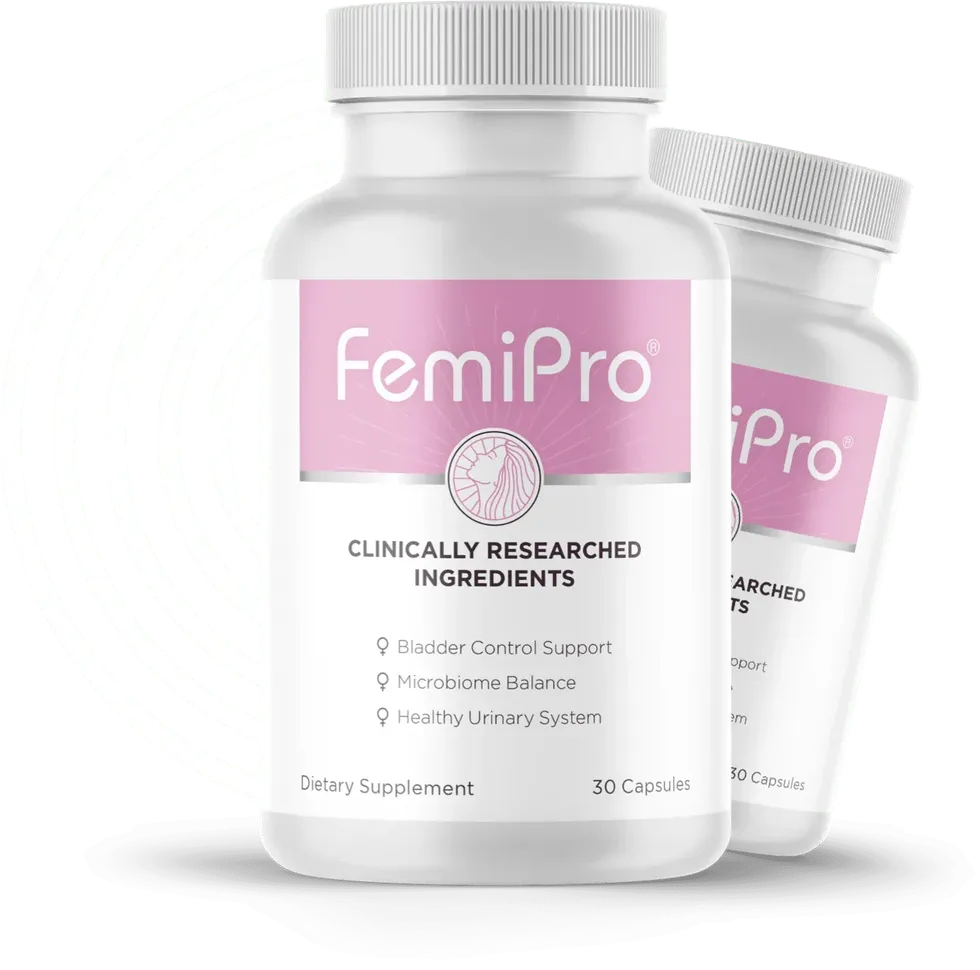
FemiPro Guides: Bladder Health and Supplement Buying Guides
The FemiPro library has two guides and three blog posts. The urinary health guide covers bladder habits, cranberry and probiotic research. The buyer's checklist gives six label checks and scores one product. Short posts explain cranberry PACs, helpful bladder habits and probiotic labels, plus an eight-term glossary.
FemiPro guides and blog posts: the full reading list
The FemiPro library holds two long guides and three short blog posts. Together they cover bladder habits, cranberry, probiotics and how to judge a supplement label.
Each piece uses plain words and links to its sources. Pick a card to open it.

Urinary Health Guide: Bladder Habits, Cranberry and Probiotics
The starting point. Daily habits that help the bladder, what cranberry and probiotic research found, and when to call a doctor.
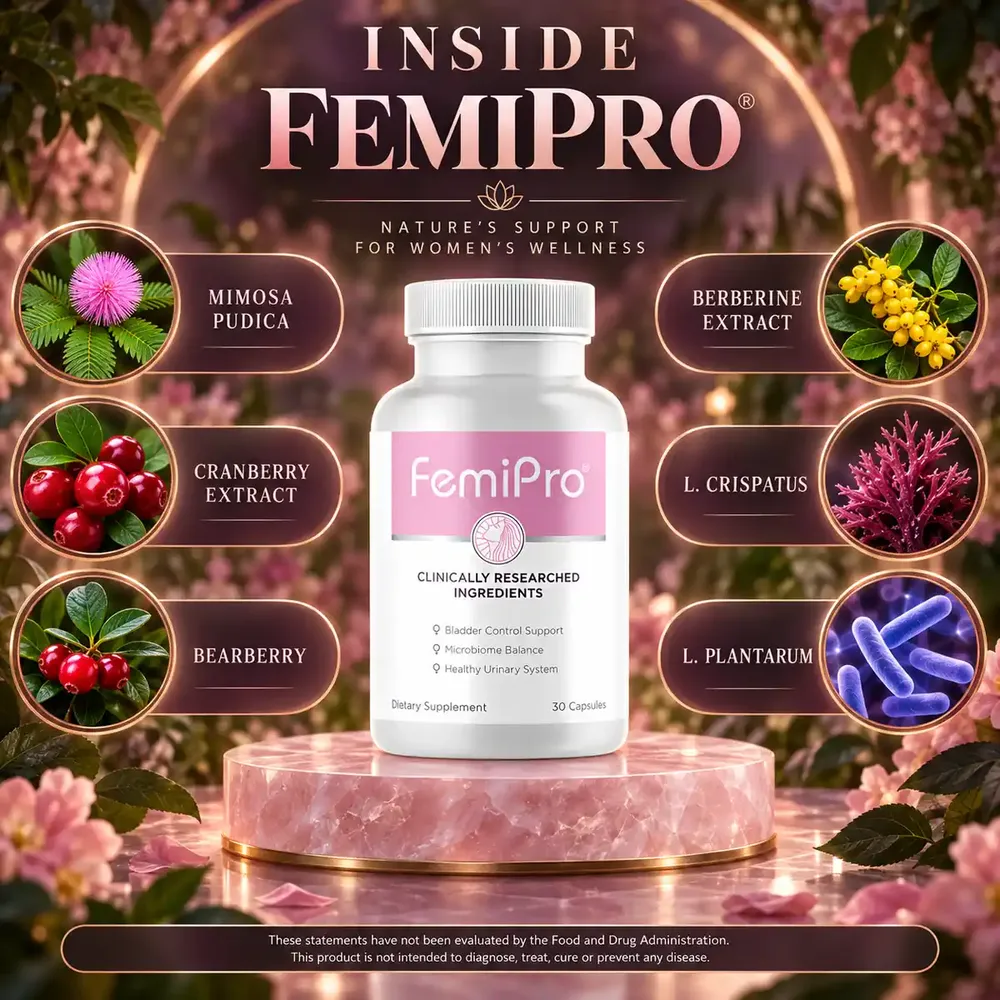
Choosing a Bladder Support Supplement: A Buyer's Checklist
Six checks to run on any bladder formula before you pay, with an honest score for one product.
Cranberry PACs Explained
What PACs are, how they are measured, and why the milligram count matters more than the word “cranberry.”
Bladder Habits That Help
Pelvic floor work, bladder training and fluid timing, explained step by step.
How to Read a Women's Probiotic Label
CFU, species and strain codes decoded, so you can compare any two bottles.
What the FemiPro urinary health guide teaches
The urinary health guide explains how everyday habits, cranberry and probiotics relate to bladder comfort. Read it first if the terms feel new.
It starts with the free steps that doctors suggest first. Then it walks through what trials found for cranberry and for probiotics. It ends with the warning signs that need a doctor, not a capsule.
- Why pelvic floor exercises and bladder training come first (NIDDK, 2021).
- What a large Cochrane review found for cranberry in women with repeat UTIs (Williams et al., 2023).
- Why oral probiotic results for UTIs have been weak so far (Schwenger et al., 2015).
- Where FemiPro fits, and the gaps on its label.
What the bladder support supplement checklist covers
The buyer’s checklist gives you six things to check on any bladder formula. It works for FemiPro and for any other brand on the shelf.
Each check takes a minute with the bottle in your hand. The guide then scores one product against all six, gaps included.
- Are single amounts printed, or hidden in a proprietary blend?
- Is the cranberry PAC dose given, and how was it measured?
- Is the probiotic CFU count on the label?
- Does it include a short-course herb such as bearberry?
- Could any ingredient clash with your medicines?
- Is there a written refund window and a phone number that answers?
Three short FemiPro blog posts on cranberry, habits and probiotics
The blog posts each take one topic and go deeper. Each can be read in about five minutes.
Cranberry PACs explained
PACs are the compounds in cranberry linked to urinary research. A 2024 review tied benefit to at least 36 mg a day (Xiong et al., 2024). The cranberry PAC post shows how to read a PAC figure on a label.
Bladder habits that help
Simple habits can do a lot for bladder control. The bladder habits post covers pelvic floor squeezes, timed trips to the toilet and steady fluid intake.
How to read a women's probiotic label
Probiotic effects depend on the exact strain (NIH ODS, 2025). The probiotic label post explains CFU, species and strain codes in order.
Bladder health glossary: terms used across the FemiPro guides
These eight terms come up again and again in the guides. The table gives each one a plain meaning and shows how it applies to the FemiPro label.
| Term | Plain meaning | How it applies to FemiPro |
|---|---|---|
| PAC | Proanthocyanidins, plant compounds in cranberry measured in milligrams | Cranberry is standardized to 30% PACs, but the cranberry weight is not printed |
| CFU | Colony-forming units, a count of live bacteria able to grow | Not printed on the label |
| Strain code | Letters and numbers after a species name that mark one exact strain | Five codes listed, such as LCr86 and LA88 |
| Arbutin | A compound in bearberry leaf that breaks down to hydroquinone | Present through bearberry leaf; amount unknown |
| Berberine | A yellow compound from certain barks and roots | An 8% extract inside the 350 mg blend |
| Microbiome | The mix of microbes living in one part of the body | “Microbiome Balance” is one label claim |
| Pelvic floor | The sling of muscles that holds up the bladder and helps control it | Exercises for it come before any supplement |
| UTI | An infection anywhere in the urinary tract | A supplement cannot treat one; a doctor can |
Which FemiPro guide to read first, by goal
The right first read depends on what you want to know. Follow the path that matches your question.
New to bladder health?
Open the urinary health guide. It sets out the basics and the free habits first.
Comparing two bottles?
Go straight to the buyer’s checklist and hold both labels side by side.
Curious about cranberry?
Read the PAC post, then check the cranberry section of the main guide.
Looking at probiotics?
Read the probiotic label post, then the probiotic evidence in the main guide.
Where FemiPro fits in these guides, honestly
The guides treat FemiPro the same way they treat any label. They name what is printed and what is missing.
Three gaps show up in more than one guide. None of them means FemiPro is unsafe for everyone, but each one limits what a buyer can check.
- The four herbs share one 350 mg total, so the cranberry PAC dose and berberine dose cannot be checked. Berberine research used 300 to 1,500 mg a day (Liu et al., 2025).
- The probiotic CFU count is not printed, and the strain trials for L. crispatus used a different strain placed in the vagina (Stapleton et al., 2011).
- Mimosa pudica seed has no human trials yet (Adurosakin et al., 2023).
Every herb is covered in full on the FemiPro ingredients page.
The FemiPro label facts every guide starts from
Each guide checks its claims against the FemiPro bottle. Having the label facts in front of you makes the guides quicker to follow.
Here is what the Supplement Facts panel prints, in short.
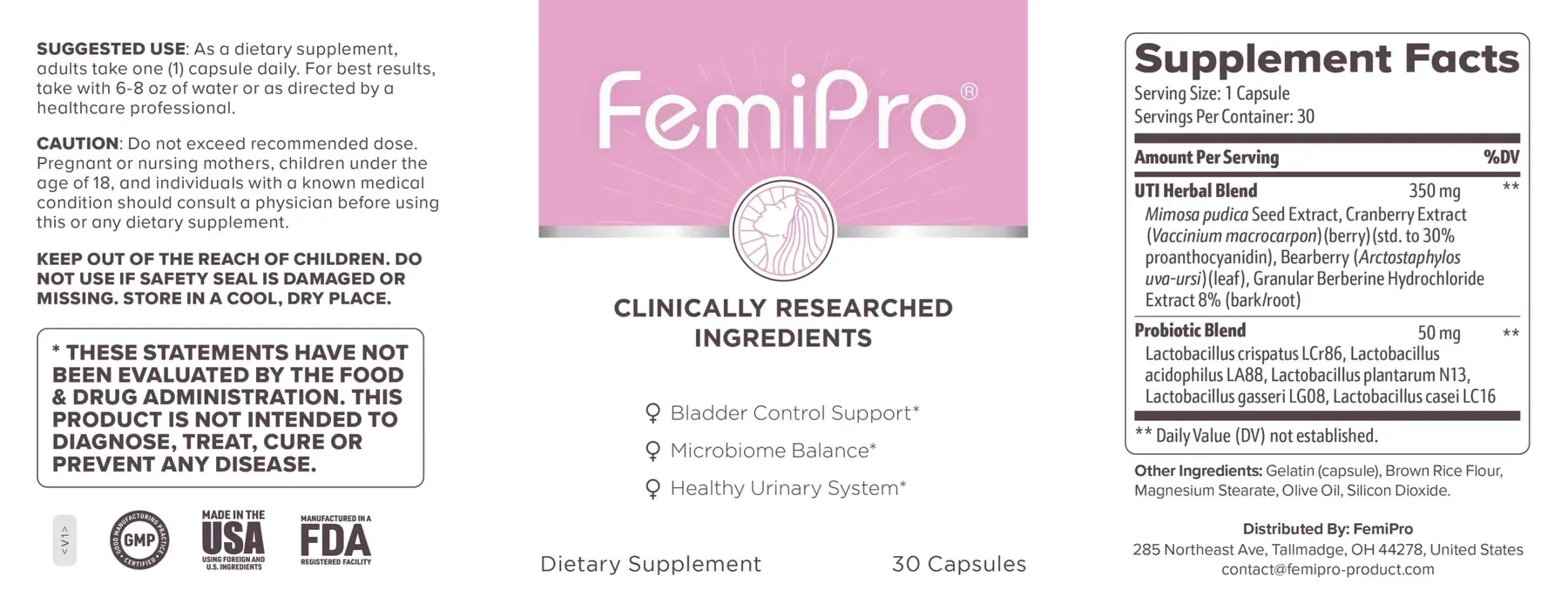
- Serving: one capsule, 30 servings per bottle.
- UTI Herbal Blend, 350 mg: mimosa pudica seed, cranberry, bearberry leaf and berberine.
- Probiotic Blend, 50 mg: five named Lactobacillus strains.
- Capsule shell: gelatin, listed first under other ingredients.
- Claims: bladder control support, microbiome balance and a healthy urinary system.
When to skip the guides and call a doctor
Some symptoms need a medical check, not more reading. A supplement cannot treat an active UTI. See a doctor for burning, fever, back pain or blood in the urine.
The same goes for new leaks that come on fast or change your daily life. A doctor can test for the cause and suggest a plan, which may include the habits in these guides.
How the FemiPro guides are written and checked
Each guide follows the same rules. Facts come from the label, the seller's written terms or a linked public source.
When a number is not published, the guide says so instead of guessing. Studies are linked so you can read the same source the guide used.
Research on one herb is never presented as proof that the whole capsule works.
Public sources
NIDDK, NCCIH, NIH ODS, Cochrane reviews and the European Medicines Agency.
Label first
Doses, strains and claims are read straight off the FemiPro Supplement Facts panel.
Gaps named
Missing amounts, CFU and lab reports are called out, not filled in.
Spot something out of date? Email [email protected] with the page name and the line to check.
FemiPro guides: common questions
Do the FemiPro guides cost anything?
No. Every guide and blog post here is free to read. There is no sign-up, no email box and no paywall.
Are the FemiPro guides medical advice?
No. They explain public research and label facts in plain words. Your own doctor is the person to ask about your body.
Which FemiPro guide should I read first?
Start with the urinary health guide if the topic is new to you. Start with the buyer's checklist if you are already comparing bottles.
Do the guides say FemiPro works?
No. They describe research on single ingredients, not on the finished FemiPro capsule. They also point out where the label leaves out the amounts needed to compare.
Where do the guide facts come from?
They come from the bottle label, the seller's terms and linked public sources such as NIDDK, NCCIH, Cochrane and the European Medicines Agency. Each source opens in a new tab.
How often are the guides checked?
Each page shows a “Last updated” date near the top. The most recent full check was finished on September 24, 2026.