FemiPro Benefits: The Three Label Claims and the Research
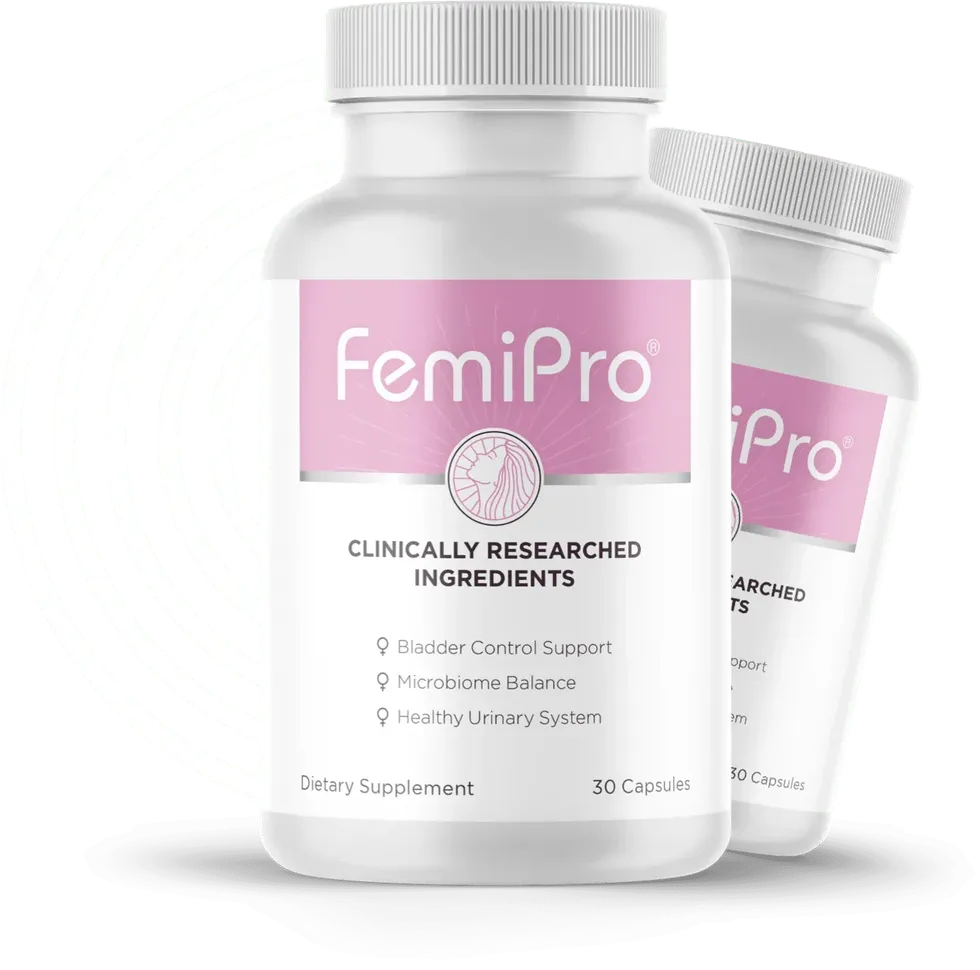
The FemiPro label claims three benefits: Bladder Control Support, Microbiome Balance and Healthy Urinary System. Cranberry has the strongest research, with fewer repeat UTIs in women at 36 mg PAC a day or more, but the FemiPro PAC dose is not printed. The other links are weaker. FemiPro does not treat or prevent any disease.
What benefits does the FemiPro label claim?
The FemiPro label claims three benefits. They are Bladder Control Support, Microbiome Balance and Healthy Urinary System. Each one ends with an asterisk that points to the FDA statement.
Bladder Control Support*
Support for everyday bladder control, printed first on the front panel.
Microbiome Balance*
Support for a balanced microbiome, linked to the five Lactobacillus strains.
Healthy Urinary System*
Support for the urinary tract, linked mainly to cranberry extract.
These are structure and function claims. The FDA does not review them before sale, and each must carry a disclaimer (FDA, 2024). The sections below match each claim with its ingredients and research.
An asterisk claim describes support for normal function in healthy people. It is not a promise of a result, and it is not a medical claim.
FemiPro and Bladder Control Support*
Bladder Control Support is the first claim on the FemiPro label. It refers to everyday comfort and control, not to treating a condition. The label does not tie this claim to one ingredient.
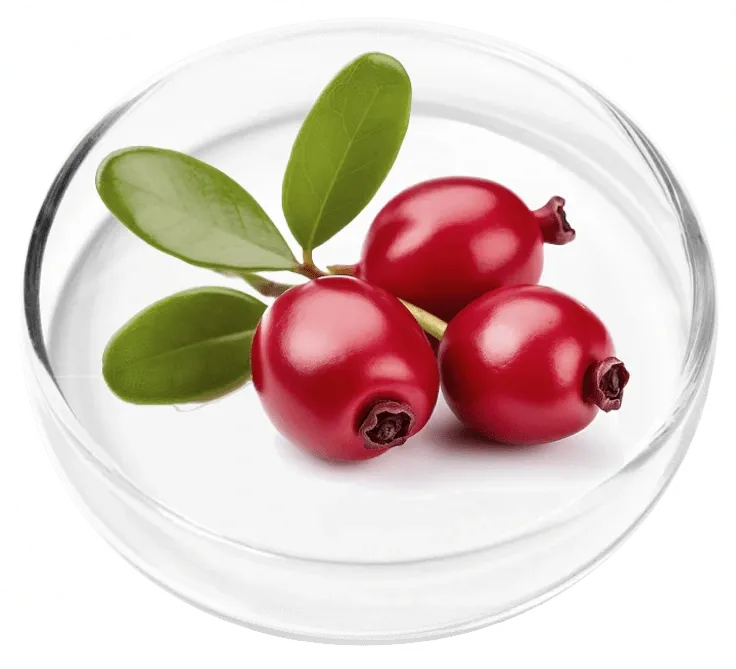
Bearberry leaf has a traditional use for mild bladder symptoms in adult women (EMA, 2018). That use is based on long experience rather than trials, and it is limited to one week at a time.
What works best for bladder control
Pelvic floor exercises and bladder training are the first steps for bladder control (NIDDK, 2021). FemiPro is best seen as an add-on to those habits.
FemiPro and Microbiome Balance*
Microbiome Balance is the claim tied to the FemiPro Probiotic Blend. The blend lists five Lactobacillus strains, each with its own strain code. Printed codes are a good sign, because probiotic effects depend on the exact strain (NIH ODS, 2025).
- Lactobacillus crispatus LCr86
- Lactobacillus acidophilus LA88
- Lactobacillus plantarum N13
- Lactobacillus gasseri LG08
- Lactobacillus casei LC16
The research on this route is mixed. L. crispatus placed in the vagina cut the return of bacterial vaginosis in one trial (Cohen et al., 2020). That trial used a different strain and a different route from FemiPro.
The label gives the blend as 50 mg but no CFU count. So the number of live cells per capsule is not known.
What “balance” means on a label
Microbiome balance is a broad phrase. It does not name a test, a target or a number you can measure at home. The label also does not say whether it means the gut or the vaginal microbiome. Read it as general support, not a measured change.
FemiPro and Healthy Urinary System*
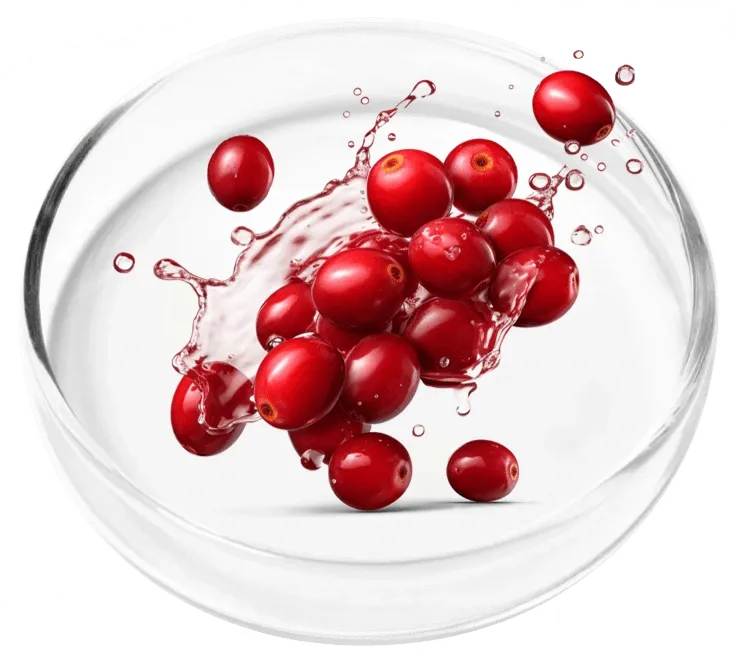
Healthy Urinary System is the claim with the most research behind it. That research is about cranberry, one of the four herbs in the FemiPro blend. The extract is standardized to 30% PACs.
What cranberry research shows
Across 50 trials, cranberry probably lowered repeat UTIs in women who get them often (Williams et al., 2023). A 2024 review found the benefit at 36 mg of PACs a day or more (Xiong et al., 2024). The FemiPro label does not print its cranberry amount, so its PAC dose is unknown.
A supplement cannot treat an active UTI. See a doctor for burning, fever, back pain or blood in the urine.
What do the other two FemiPro herbs add?
The other two herbs in FemiPro are mimosa pudica seed and berberine. Neither has human research on bladder or urinary health so far. They round out the blend rather than carry a claim.
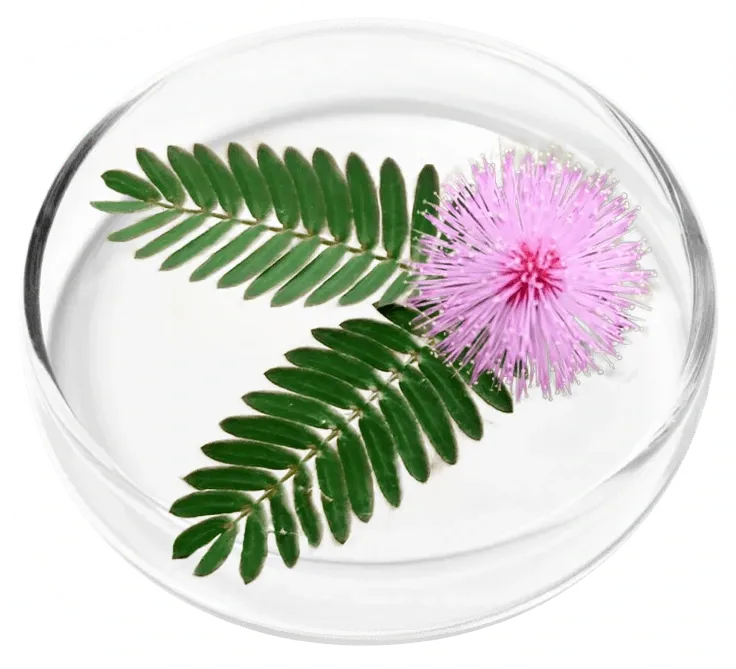
Mimosa pudica seed
Studied in lab dishes and animals only, with no human trials yet (Adurosakin et al., 2023).
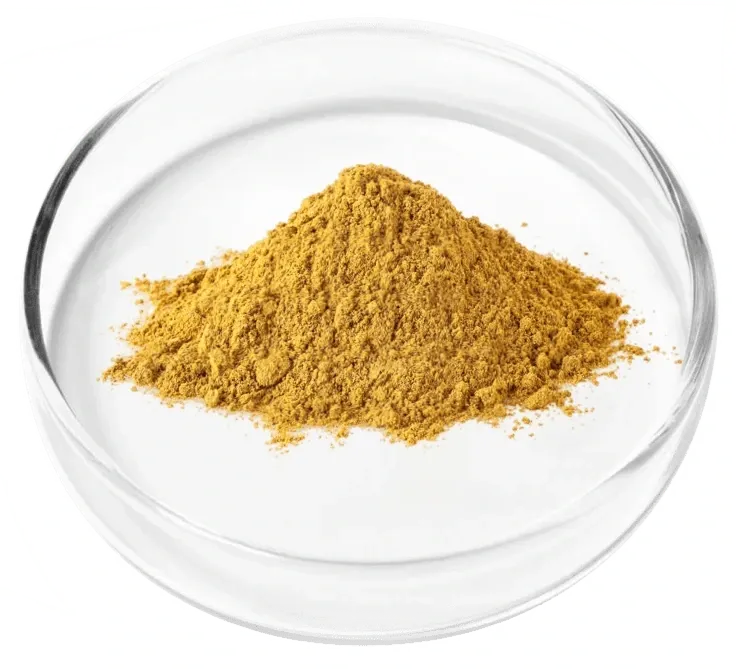
Berberine HCl 8%
Trials at 300 to 1,500 mg a day looked at blood sugar and fats, not urinary health (Liu et al., 2025).
Both sit inside the same 350 mg blend as cranberry and bearberry. Their amounts are not printed.
FemiPro benefits at a glance
Here are the three FemiPro claims side by side. Each row shows the main ingredient, what research supports and what stays unknown.
| Label claim | Main ingredient | What research supports | What is unknown |
|---|---|---|---|
| Bladder Control Support* | Bearberry leaf | Traditional use for mild bladder symptoms, 1 week max | Bearberry amount per capsule |
| Microbiome Balance* | Five Lactobacillus strains | Vaginal L. crispatus data with a different strain | CFU count; oral effect of these strains |
| Healthy Urinary System* | Cranberry, 30% PACs | Fewer repeat UTIs in women at 36 mg PAC or more | Cranberry and PAC dose per capsule |
The full dose comparison is on the ingredients page. The how it works page rates the evidence for every ingredient.
How long do FemiPro benefits take to show?
The maker does not publish a timeline for FemiPro benefits. The closest guides are seller figures and the length of ingredient trials. None of them promises a result for you.
| Source | Time frame | How much weight to give it |
|---|---|---|
| Maker | No timeline published | Nothing to go on |
| Seller sample figures | Most buyers wait 4 to 8 weeks | Low: not verified |
| Vaginal L. crispatus trials | 10 to 11 weeks of use | Different strain and route |
| Cranberry PAC trials | Benefits after 12 to 24 weeks | Only if the PAC dose is met |
A two-month trial fits inside the money-back window. The results timeline breaks it down week by week.
What FemiPro does not do
FemiPro is a dietary supplement, so there are clear limits to what it can do. It does not treat, cure or prevent any disease. The label says so in its FDA statement.
- It does not treat or prevent urinary tract infections.
- It does not treat incontinence or overactive bladder.
- It does not treat interstitial cystitis.
- It does not treat yeast infections or bacterial vaginosis.
- It does not replace antibiotics or a doctor’s care.
- It is not FDA approved; no dietary supplement is approved before sale.
Everyday advantages of the FemiPro format
Beyond the label claims, the FemiPro format has a few practical pluses. They make a daily routine easy to keep.
- One capsule a day, with no mixing or measuring.
- 30 capsules per bottle, so each bottle is one month.
- Five probiotic strains named with strain codes on the label.
- Cranberry extract standardized to a stated 30% PACs.
- A 60-day money-back window from the purchase date.
- Made in the USA using foreign and U.S. ingredients.
See how the packs compare on the pricing page.
How to get the most out of FemiPro
To get the most out of FemiPro, pair the capsule with habits and give it time. These four steps set up a fair trial.
Start a baseline log
For one week before your first capsule, note bathroom trips, night wake-ups and urges.
Take it every day
One capsule with 6 to 8 ounces of water, at the same time daily.
Keep up bladder habits
Do pelvic floor exercises and bladder training alongside the capsule.
Review at week eight
Compare your log with the baseline. Decide inside the 60-day window.
The full routine is on the how to take it page.
Who is most likely to benefit from FemiPro?
FemiPro is made for healthy adult women 18 and over who want daily urinary and microbiome support. It suits women who like a simple routine and already use bladder habits.
It is not for pregnancy, breastfeeding or kidney problems. Anyone on daily medicine should ask a pharmacist first, because berberine can change how some drugs are cleared.
Read more on the who it is for page.
FemiPro benefits: common questions
What are the main benefits of FemiPro?
The label claims three: Bladder Control Support, Microbiome Balance and Healthy Urinary System. Each carries an asterisk for the FDA statement.
Does FemiPro stop UTIs?
No. FemiPro is a supplement and does not treat or prevent any disease. Cranberry research looks at repeat UTIs, but the FemiPro PAC dose is not printed.
Will FemiPro help with leaks or urgency?
The label claims bladder control support. No ingredient in the formula has trial data for leaks. Pelvic floor exercises and bladder training are the proven first steps.
How soon might I notice a benefit?
The maker publishes no timeline. Seller sample figures, which are not verified, say most buyers wait 4 to 8 weeks. Cranberry trials ran 12 to 24 weeks.
Is the FemiPro benefit backed by a clinical trial?
No trial of the finished FemiPro capsule has been published. The research on this page is about single ingredients.
Does FemiPro help with weight or energy?
No. The label makes no weight or energy claim, and FemiPro is not sold for either.