Urinary Health Guide: Bladder Habits, Cranberry and Probiotics
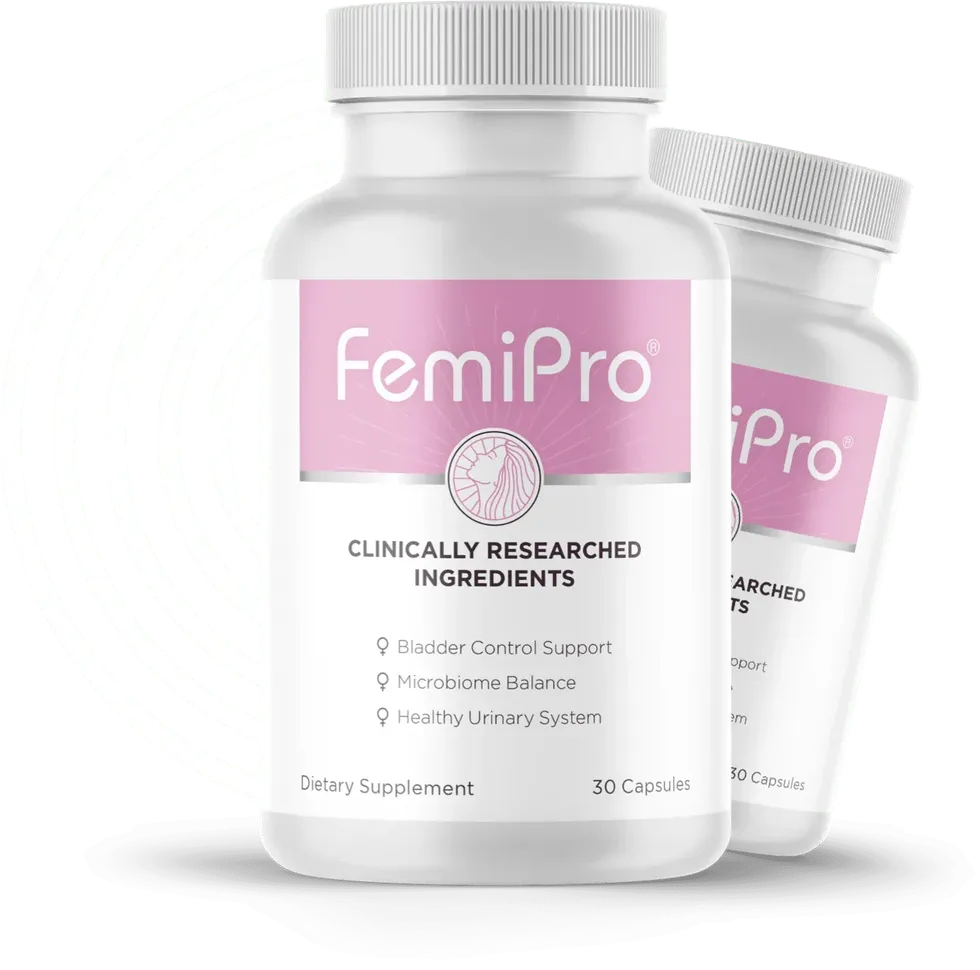
Pelvic floor exercises and bladder training are the first steps for bladder control. Cranberry probably lowers repeat UTIs in prone women, with benefit at 36 mg of PACs a day or more. Oral probiotic evidence is weak. FemiPro adds cranberry and probiotics, but its label hides single amounts, so the doses cannot be checked.
Urinary health basics: how the bladder and pelvic floor work
Good urinary health means the bladder fills, holds and empties without pain or surprise leaks. The bladder does the storing, and the pelvic floor muscles help keep it closed.
The pelvic floor is a sling of muscle under the bladder and womb. When it is strong, it squeezes shut on a cough or a laugh. Pregnancy, birth, age and long days of sitting can all weaken it.
Most bladder problems in women fall into two groups. Some are control problems, such as leaks or a sudden urge to go. Others are infections, which need a doctor and often a prescription.
Bladder habits that help: the free first steps
For bladder control, the first steps are pelvic floor exercises and bladder training (NIDDK, 2021). Both cost nothing, and both come before pills or supplements.
They work by building strength and retraining the urge to go. Results take steady practice over weeks, not days.
Find the right muscles
Imagine stopping the flow of urine or holding in gas. The muscles you tighten are your pelvic floor. Do not squeeze your belly, legs or bottom.
Squeeze and relax in sets
Tighten, hold for a few seconds, then fully relax for the same time. Repeat in short sets a few times a day, lying down at first.
Keep a bladder diary
For a few days, note each trip to the toilet, each leak and what you drank. The pattern shows where to start.
Stretch the time between trips
When the urge hits early, stay still, squeeze your pelvic floor and wait for it to pass. Then add a few minutes between planned trips.
Drink steadily, not all at once
Spread water through the day instead of large amounts at once. Many people find that less caffeine and alcohol eases the urge.
A deeper walk-through sits in the bladder habits post. A pelvic floor physical therapist can also check your technique.
Cranberry and urinary health: what the evidence shows
Cranberry has the most research of any food for urinary health. In women who get repeat UTIs, it probably lowers how often they return (Williams et al., 2023).
That review pooled 50 trials with 8,857 people, using juice, tablets and capsules. It found little or no benefit for older adults in care homes or during pregnancy.
Dose seems to matter. The active compounds are PACs, and benefit showed up at 36 mg of PACs a day or more (Xiong et al., 2024). In cranberry trials, those benefits appeared after 12 to 24 weeks, not in the first days.
| Study | Who and what | What it found |
|---|---|---|
| Cochrane review (Williams et al., 2023) | 50 trials, 8,857 people | Probably fewer repeat UTIs in women prone to them |
| PAC dose review (Xiong et al., 2024) | 10 trials, 36 mg PAC a day or more | Lower UTI risk at 36 mg or more; no clear benefit below |
| Urine lab test (Howell et al., 2010) | 32 women, 18, 36 or 72 mg PAC | Anti-stick activity rose with dose; lasted 24 hours only at 72 mg |
The cranberry PAC post explains how to read a PAC number on any label.
Probiotics and urinary health: what trials found
Probiotic research for the urinary tract is early, and oral results are weak. A Cochrane review of nine trials and 735 people found no significant drop in repeat UTIs (Schwenger et al., 2015).
Results also depend on the exact strain (NIH ODS, 2025). A good result for one strain says little about another, even within the same species.

The L. crispatus trials
The most talked-about work used L. crispatus CTV-05, placed in the vagina, not swallowed. In 100 women, repeat UTIs were 15% versus 27% on placebo, a gap that was not statistically significant (Stapleton et al., 2011).
A later trial of the same strain looked at bacterial vaginosis, not UTIs (Cohen et al., 2020). Neither trial tested a capsule taken by mouth.
Other herbs in bladder formulas: bearberry, berberine and mimosa
Many bladder formulas add herbs beyond cranberry. Three show up often, and each has clear limits.
The table sums up what the public sources say about each one.
| Herb | What sources say | Key limit |
|---|---|---|
| Bearberry leaf (EMA, 2018) | Traditional use for mild bladder symptoms in adult women | One week at most; not in pregnancy, breastfeeding or under 18 |
| Berberine (Liu et al., 2025) | 300 to 1,500 mg a day studied for metabolic markers | No urinary outcomes studied; slows drug-clearing enzymes |
| Mimosa pudica seed (Adurosakin et al., 2023) | Lab and animal studies only | No human trials |
Bearberry's arbutin breaks down to hydroquinone, a concern with long-term use (EMA, 2018). That is why short courses are the rule in Europe.
How to read cranberry and probiotic numbers on a label
A label is only useful if its numbers line up with the research. Two figures matter most for urinary formulas: PAC milligrams and CFU.
A “30% PAC” line tells you the strength of the extract, not the dose. You also need the weight of that extract.

- To reach 36 mg of PACs, a 30% extract would need about 120 mg of cranberry extract.
- The FemiPro blend is 350 mg shared by four herbs, and the label does not say how much of it is cranberry.
- Probiotic products usually carry 1 to 10 billion CFU (NIH ODS, 2025). A label with no CFU gives you nothing to compare.
- Strain codes, such as LCr86, let you match a product to a named trial strain.
Cranberry is also not a treatment for an infection that has already started (NCCIH, 2024).
When to see a doctor about bladder symptoms
Some signs need a medical check the same day or soon after. A supplement cannot treat an active UTI. See a doctor for burning, fever, back pain or blood in the urine.
- Pain or burning when you pass urine.
- Fever or chills with bladder symptoms.
- Pain in the side or lower back.
- Pink, red or brown urine.
- New leaks or urgency that change your daily life.
- Symptoms that come back again and again.
Repeat infections deserve a plan from a doctor. That plan may include tests, habits, and sometimes cranberry, alongside any treatment.
Where FemiPro fits in urinary health, honestly
FemiPro sits after the free habits, not before them. It is a daily capsule that mixes cranberry, three other herbs and five probiotic strains for bladder and urinary support.
The label gives two blend weights but no single amounts. So the research above cannot be matched to what one capsule holds.
Pros
- One capsule a day with water, so it is easy to keep up
- Cranberry extract standardized to 30% PACs
- Five probiotic strains named with strain codes
- A 60-day money-back window from purchase
Cons
- Cranberry PAC dose and berberine dose are not printed
- Probiotic CFU count is not printed
- Contains bearberry, advised for one-week courses only
- No published trial on the finished product
If you take any medicine, ask your doctor first: berberine slowed several drug-clearing enzymes (Guo et al., 2012), and cranberry has mixed data with warfarin (NCCIH, 2024). Skip FemiPro in pregnancy, while breastfeeding or with kidney problems.
See each herb in detail on the FemiPro ingredients page, or run your own check with the buyer’s checklist.
A simple urinary health plan, with or without FemiPro
Put the pieces in order. Start free, add a product only if it fits, and keep your doctor in the loop.
- Start pelvic floor exercises and a bladder diary this week.
- Drink steadily through the day and notice your triggers.
- Book a doctor visit for any warning sign, or for infections that keep coming back.
- If you try a supplement, read the label for amounts, PACs and CFU first.
- Judge any product over its full refund window, and keep your receipt. For FemiPro, the steps are on the how to use page.
Urinary health guide: common questions
What is the first thing to try for bladder control?
Pelvic floor exercises and bladder training are the first steps health agencies list (NIDDK, 2021). Both are free and can start today.
Does cranberry help with urinary health?
In women who get repeat UTIs, cranberry probably lowers how often they come back (Williams et al., 2023). It showed little or no benefit in older adults in care homes or in pregnancy.
How much cranberry PAC do studies use?
A 2024 review found benefit at 36 mg of PACs a day or more (Xiong et al., 2024). Lower doses showed no clear effect.
Do oral probiotics prevent UTIs?
The evidence is weak so far. A Cochrane review of nine trials found no significant drop in repeat UTIs compared with placebo (Schwenger et al., 2015).
Can FemiPro replace a doctor visit?
No. FemiPro is a daily supplement with label claims for support only. Burning, fever, back pain or blood in the urine all need a doctor.
Is FemiPro backed by its own clinical trial?
No published trial has tested the finished FemiPro capsule. The research in this guide looks at single ingredients, often at doses you cannot check on the FemiPro label.